Wednesday, January 1, 2020

Friday, March 15, 2019
Welcoming Spring in Punta Mita
I was incredibly excited as this is my first trip of the year. Sitting on a small peninsula along the northernmost tip of Banderas Bay lies one of the most enchanted corners in the Mexican Riviera 's Pacific coast called Punta Mita which means, "Gateway to Paradise" in Aztec. This is where we decided to welcome spring this year.
We landed in Licenciado Gustavo Díaz Ordaz International Airport (PVR) in Puerto Vallarta, an airport that impressed us during our journey back home (they had Carls Jr, Subway, Sbarro, Starbucks and Johnny Rockets!).
Immigration was fast and luggage came quickly. We had to hurry through a sort of shark-tank with vendors surrounding us trying to sell vacation rentals before we could exit the terminal. Our hotel chauffeur was waiting and escorted us to our van.
The weather was gorgeous. The temperature remained constant between 20C and 25C during our stay with all days being bright and sunny.
Arrival
The St. Regis Punta Mita Resort is considered one of the nicest tropical resorts in North America and is a Category 8 Starwood property which is the highest category possible in the Starwood portfolio. Among the 6,700+ hotels in the Marriott+Starwood portfolio, only 61 hotels fall in this aspirational league.
Our pre-arrival experience was great with both the butler and the concierge being extremely prompt in answering our questions and making requested reservations and arrangements.
As soon as we arrived, the staff opened our doors and greeted us by name, We were offered welcome drinks in extremely cool looking glasses. There is no check-in desk and we were seated in the lobby from where we could overlook the ocean. All check-in formalities were taken care of while we were seated. We were just in time for the once-a-week sunset Champagne sabering ritual where a bottle of champagne is opened with a saber. Dating back to the battles of Napoleon Bonaparte, who famously opened champagne with his saber in both victory and defeat, the art of sabrage is the signature ceremony of the St. Regis.
Once the check-in was completed, we were taken to our suite by our butler.
The Suite
Our suite was gorgeous. We had a large living room that led on to a deck where we had a lazy couch, a dining table and a private whirpool overlooking the ocean. The whirlpool was heated 24x7 with an on-demand Jacuzzi function. A set of elevated stairs from the living room took us to the bedroom and bathroom.
The television in the bedroom could be descended to hide it inside the cabinet. This was great as it then allowed us wake up in the morning with a gorgeous ocean view right from our bed!
The bathroom had dual sinks, a walk-in wardrobe, a freestanding bathtub and an outdoor shower. The bathroom was well stocked with St. Regis's Laboratoire Remède toiletries.
Housekeeping and the evening turn-down service was fantastic and the attendants did an impeccable job.


The Butler
The butler service was available from 7:00 AM to 10:45 PM. The best feature of the butler service was the on-demand coffee and tea available throughout the day. This really allowed us to enjoy a pot of Chamomile tea and a pot of Peppermint tea throughout the day. The butler was very prompt and would revert in under ten minutes at any time. We also received complimentary clothes pressing every day.
However, the utility of the Butler comes nowhere as close to the butler service on the Norwegian Cruise Line (NCL). When we sailed on the NCL, the butler would helps us with almost anything and surprise us every evening with something new during the evening turn-down service. There was none of that over here which was a disappointment and the extent of the butler utility was fairly limited when compared to the NCL butler service.
The Spa
The Remède Spa included complimentary use of the sauna and steam room along with a plunge pool and Jacuzzi. The relaxation areas were well done. Overall, the maintenance of the spa was fantastic. The therapists were extremely talented.
The Food
As vegetarians, a great challenge for us is always the availability of food and this helps set the resort apart from us. The St. Regis Punta Mita had some great hits in this regard and only a miss or two.
Breakfast was very good every day with a special served each day such as enchiladas and tacos. We loved the spread of fruit which included mangoes, papaya, pineapple etc. The variety of unique bread available such as Tomato bread was another plus. We also appreciated the assortment of drinks available such as Iced Lattes, delicioussmoothies and the mixed green juice. The drinks were amazing and a huge highlight. I was disappointed that Mimosas and Bloody Mary's were not included as part of the breakfast buffet which is usually standard at Starwood resorts in Mexico. I also missed the availability of choose-your-own-toppings live egg station that allowed you to customize just the way you want it.
While we tried multiple restaurants, what we loved was the availability of three to four different Mexican spicy sauces at every place which allowed us to add the flavors that Mexico is known for to our food. This truly set the food apart no matter where we ate.
Sea Breeze: Great restaurant. Burgers and pizzas.
Las Marietas: Our next favorite. Loved the bowls!
Mita Mary: The tacos we had were good but we do wish they had more vegetarian choices for tacos. So much potential!
Altamira: Terrible. Despite being a restaurant for Mexican street food, no vegetarian options at all. We had to order the pasta which was very ordinary. The jaggery ice cream for dessert had been taken right out of the freezer.
A big highlight is at every restaurant, the service and hospitality were amazing. All of them had the additional Mexican spices, were open to our dietary restrictions, extremely observant and efficient in noticing anything amiss in our table, refilling glasses etc.
The Sights!
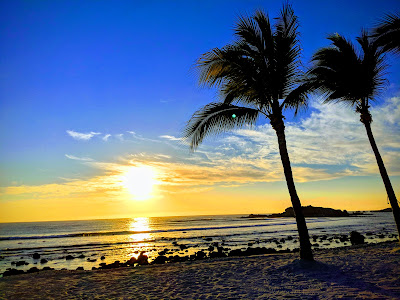
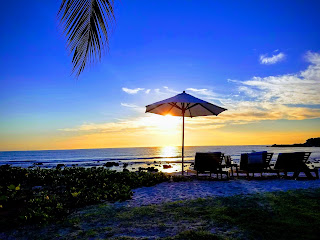
The resort has three pools and the multi-layering of the pool gives you some amazing views, especially from the higher levels. At the end of the day, what made the visit truly spectacular were the views we enjoyed owing to the St. Regis's unique location and seclusion.


We landed in Licenciado Gustavo Díaz Ordaz International Airport (PVR) in Puerto Vallarta, an airport that impressed us during our journey back home (they had Carls Jr, Subway, Sbarro, Starbucks and Johnny Rockets!).
Immigration was fast and luggage came quickly. We had to hurry through a sort of shark-tank with vendors surrounding us trying to sell vacation rentals before we could exit the terminal. Our hotel chauffeur was waiting and escorted us to our van.
The weather was gorgeous. The temperature remained constant between 20C and 25C during our stay with all days being bright and sunny.
Arrival
The St. Regis Punta Mita Resort is considered one of the nicest tropical resorts in North America and is a Category 8 Starwood property which is the highest category possible in the Starwood portfolio. Among the 6,700+ hotels in the Marriott+Starwood portfolio, only 61 hotels fall in this aspirational league.
Our pre-arrival experience was great with both the butler and the concierge being extremely prompt in answering our questions and making requested reservations and arrangements.
As soon as we arrived, the staff opened our doors and greeted us by name, We were offered welcome drinks in extremely cool looking glasses. There is no check-in desk and we were seated in the lobby from where we could overlook the ocean. All check-in formalities were taken care of while we were seated. We were just in time for the once-a-week sunset Champagne sabering ritual where a bottle of champagne is opened with a saber. Dating back to the battles of Napoleon Bonaparte, who famously opened champagne with his saber in both victory and defeat, the art of sabrage is the signature ceremony of the St. Regis.
 |
| View from the St. Regis Lobby |
The Suite
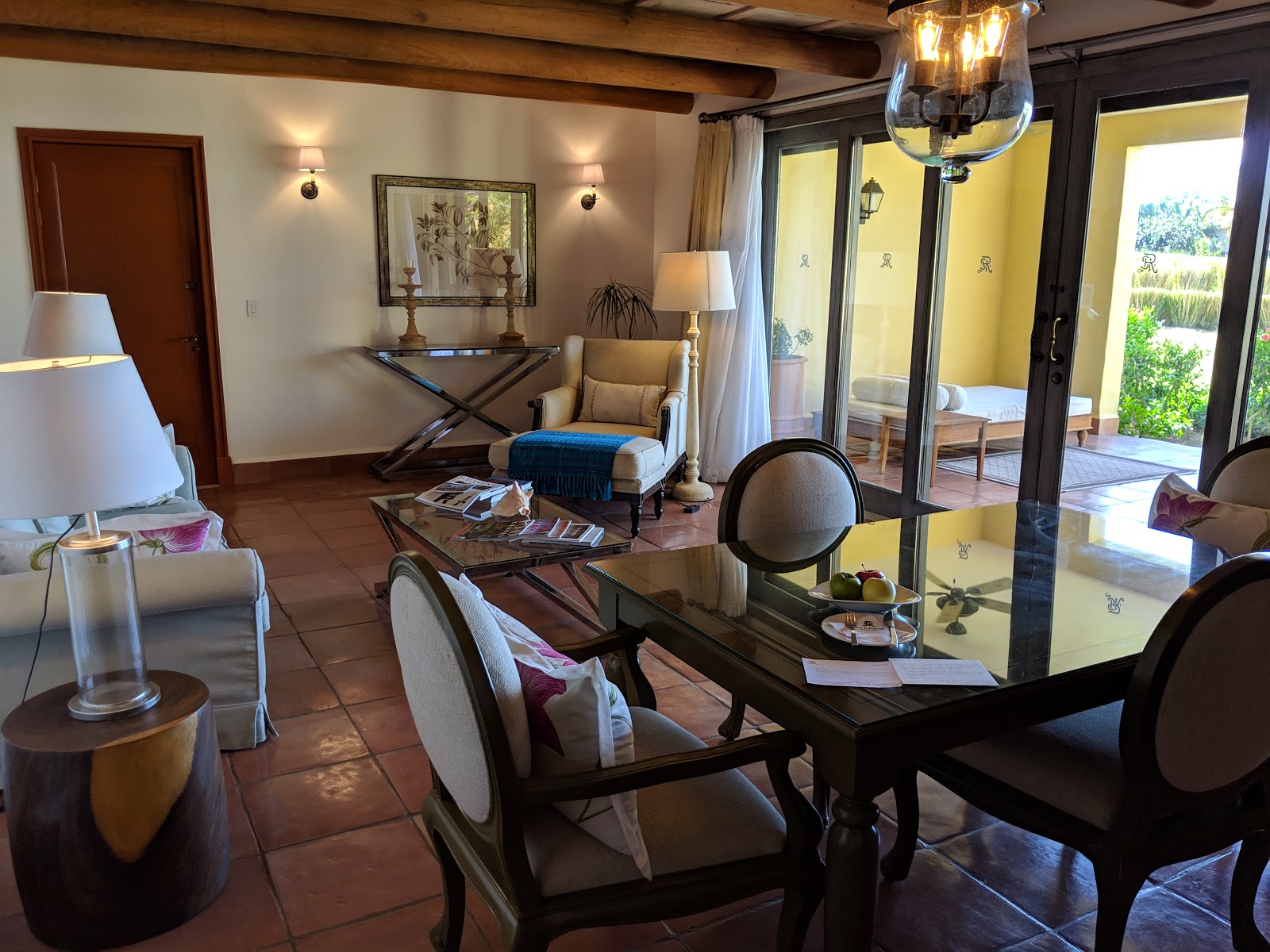
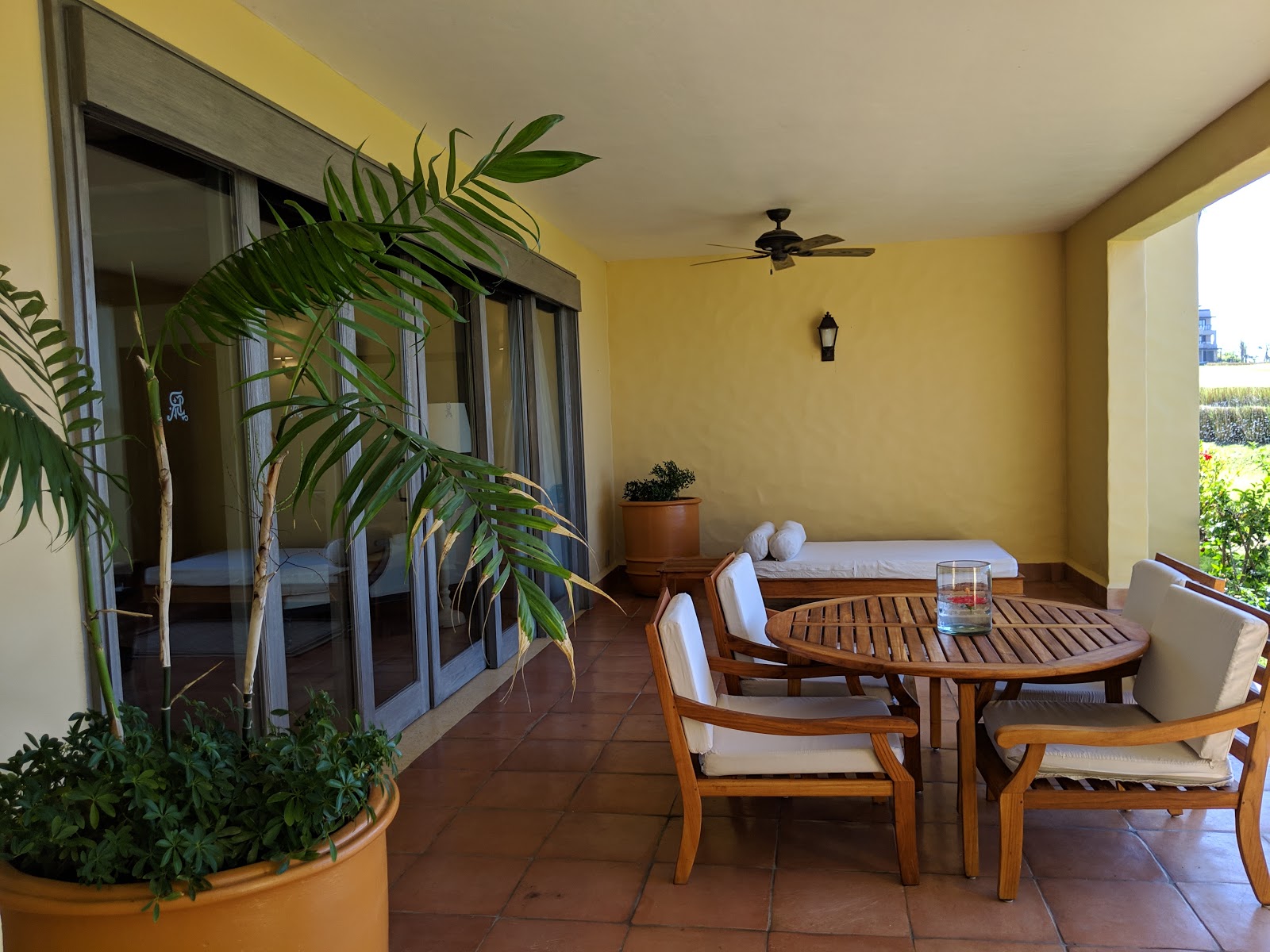
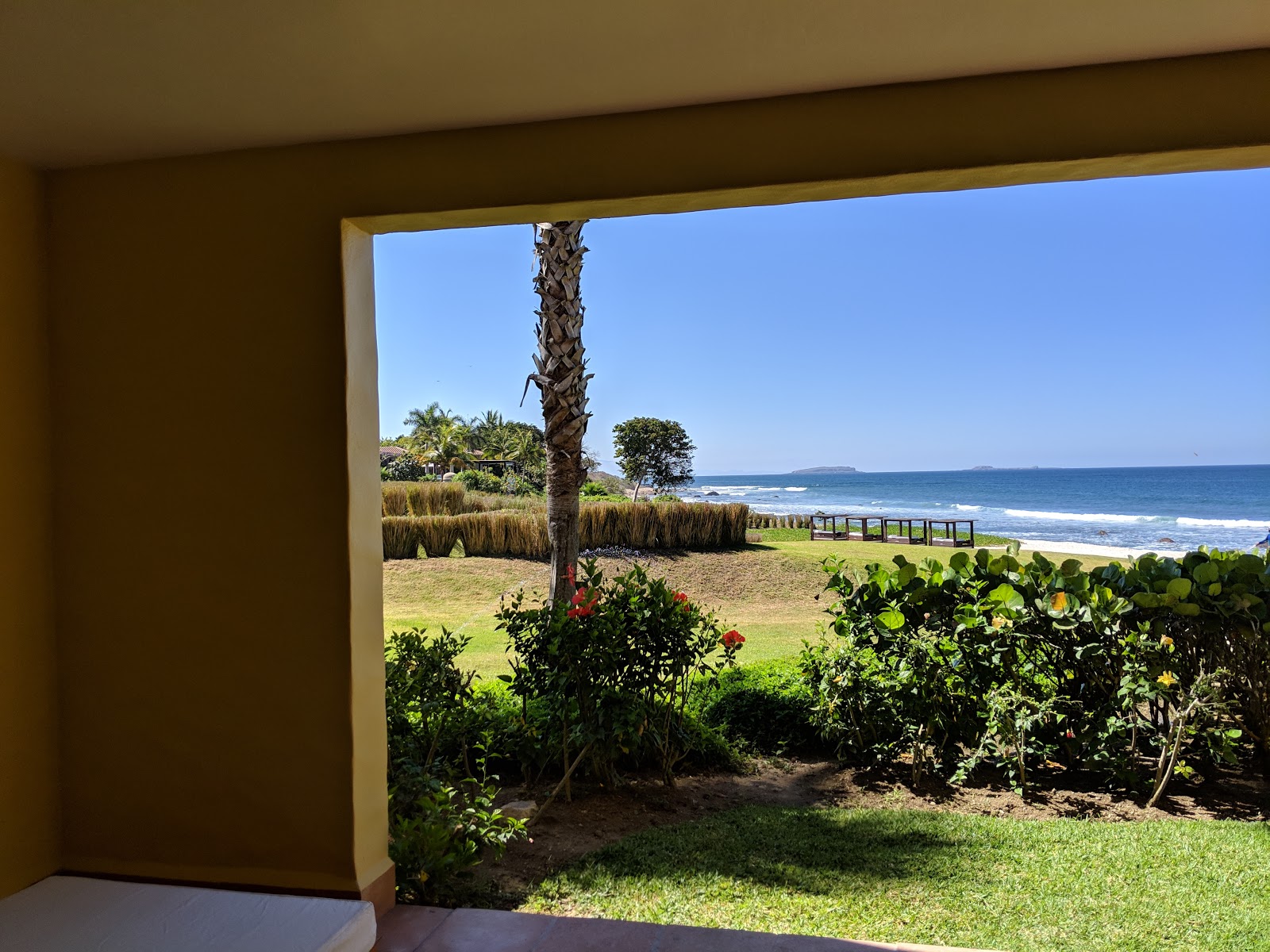
Our suite was gorgeous. We had a large living room that led on to a deck where we had a lazy couch, a dining table and a private whirpool overlooking the ocean. The whirlpool was heated 24x7 with an on-demand Jacuzzi function. A set of elevated stairs from the living room took us to the bedroom and bathroom.
The television in the bedroom could be descended to hide it inside the cabinet. This was great as it then allowed us wake up in the morning with a gorgeous ocean view right from our bed!
The bathroom had dual sinks, a walk-in wardrobe, a freestanding bathtub and an outdoor shower. The bathroom was well stocked with St. Regis's Laboratoire Remède toiletries.
Housekeeping and the evening turn-down service was fantastic and the attendants did an impeccable job.






The Butler
The butler service was available from 7:00 AM to 10:45 PM. The best feature of the butler service was the on-demand coffee and tea available throughout the day. This really allowed us to enjoy a pot of Chamomile tea and a pot of Peppermint tea throughout the day. The butler was very prompt and would revert in under ten minutes at any time. We also received complimentary clothes pressing every day.
However, the utility of the Butler comes nowhere as close to the butler service on the Norwegian Cruise Line (NCL). When we sailed on the NCL, the butler would helps us with almost anything and surprise us every evening with something new during the evening turn-down service. There was none of that over here which was a disappointment and the extent of the butler utility was fairly limited when compared to the NCL butler service.
The Spa
The Remède Spa included complimentary use of the sauna and steam room along with a plunge pool and Jacuzzi. The relaxation areas were well done. Overall, the maintenance of the spa was fantastic. The therapists were extremely talented.
The Food
As vegetarians, a great challenge for us is always the availability of food and this helps set the resort apart from us. The St. Regis Punta Mita had some great hits in this regard and only a miss or two.
Breakfast was very good every day with a special served each day such as enchiladas and tacos. We loved the spread of fruit which included mangoes, papaya, pineapple etc. The variety of unique bread available such as Tomato bread was another plus. We also appreciated the assortment of drinks available such as Iced Lattes, delicioussmoothies and the mixed green juice. The drinks were amazing and a huge highlight. I was disappointed that Mimosas and Bloody Mary's were not included as part of the breakfast buffet which is usually standard at Starwood resorts in Mexico. I also missed the availability of choose-your-own-toppings live egg station that allowed you to customize just the way you want it.
While we tried multiple restaurants, what we loved was the availability of three to four different Mexican spicy sauces at every place which allowed us to add the flavors that Mexico is known for to our food. This truly set the food apart no matter where we ate.
Sea Breeze: Great restaurant. Burgers and pizzas.
Las Marietas: Our next favorite. Loved the bowls!
Mita Mary: The tacos we had were good but we do wish they had more vegetarian choices for tacos. So much potential!
Altamira: Terrible. Despite being a restaurant for Mexican street food, no vegetarian options at all. We had to order the pasta which was very ordinary. The jaggery ice cream for dessert had been taken right out of the freezer.
A big highlight is at every restaurant, the service and hospitality were amazing. All of them had the additional Mexican spices, were open to our dietary restrictions, extremely observant and efficient in noticing anything amiss in our table, refilling glasses etc.
The Sights!
The resort has three pools and the multi-layering of the pool gives you some amazing views, especially from the higher levels. At the end of the day, what made the visit truly spectacular were the views we enjoyed owing to the St. Regis's unique location and seclusion.


The resort also has complimentary snorkeling and kayaking. While we didn't snorkel, the kayaking was a lot of fun! There are also complimentary bikes for you to use to bike around Punta Mita.
Closing Thoughts
The St. Regis Punta Mita has some of the most gorgeous views I have ever seen. The rooms are very well maintained. Service in all the restaurants was flawless throughout our stay. Despite the hotel being completely booked, we never saw crowds and were actually left to wonder if the hotel was indeed full (which was not the course) owing to the spaciousness and smart layout of the resort (such as the multi-layer pools). We would have loved to see more vegetarian food options in many of the restaurants especially since we are in Mexico! The St. Regis Punta Mita is definitely worth a visit and will give you memories as you head back home.
Subscribe to:
Posts (Atom)